Blog

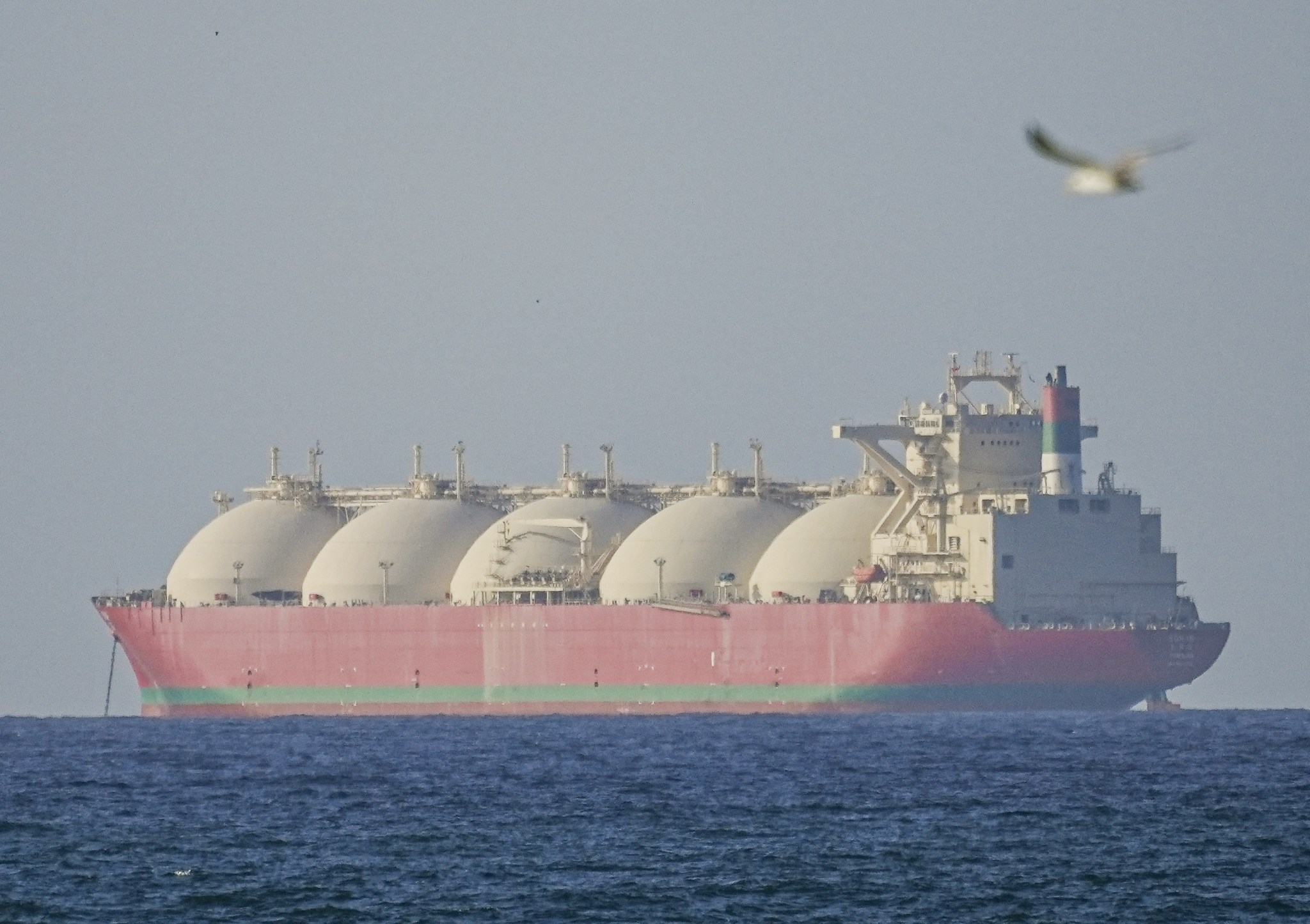
  • Here’s how a U.S. naval blockade of the Strait of Hormuz could work

    Here’s how a U.S. naval blockade of the Strait of Hormuz could work

    [ad_1]

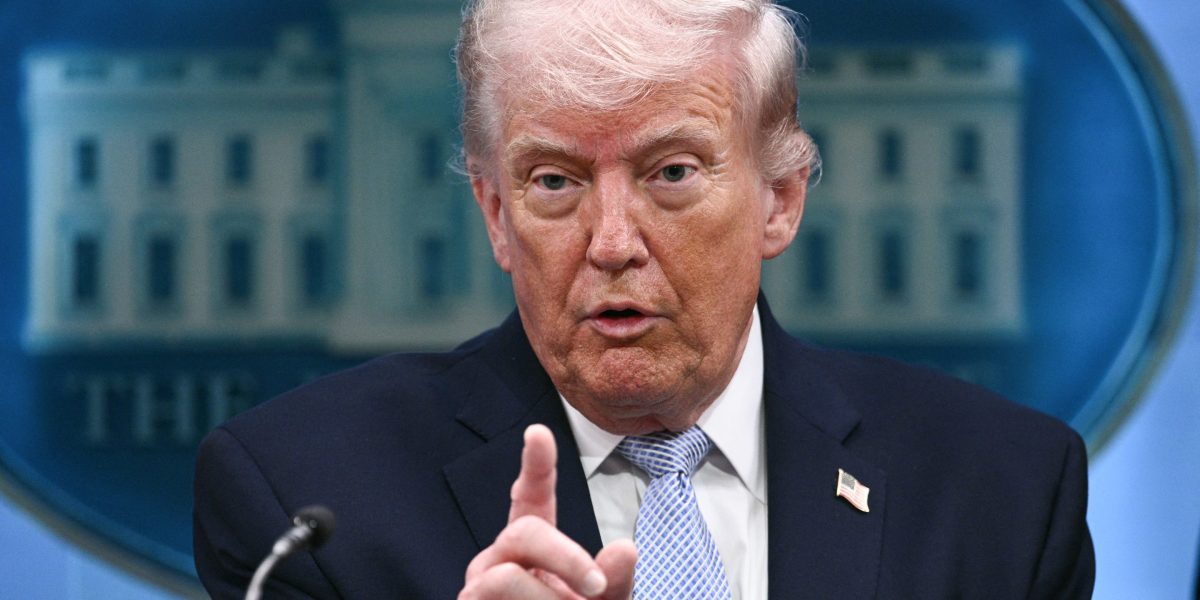
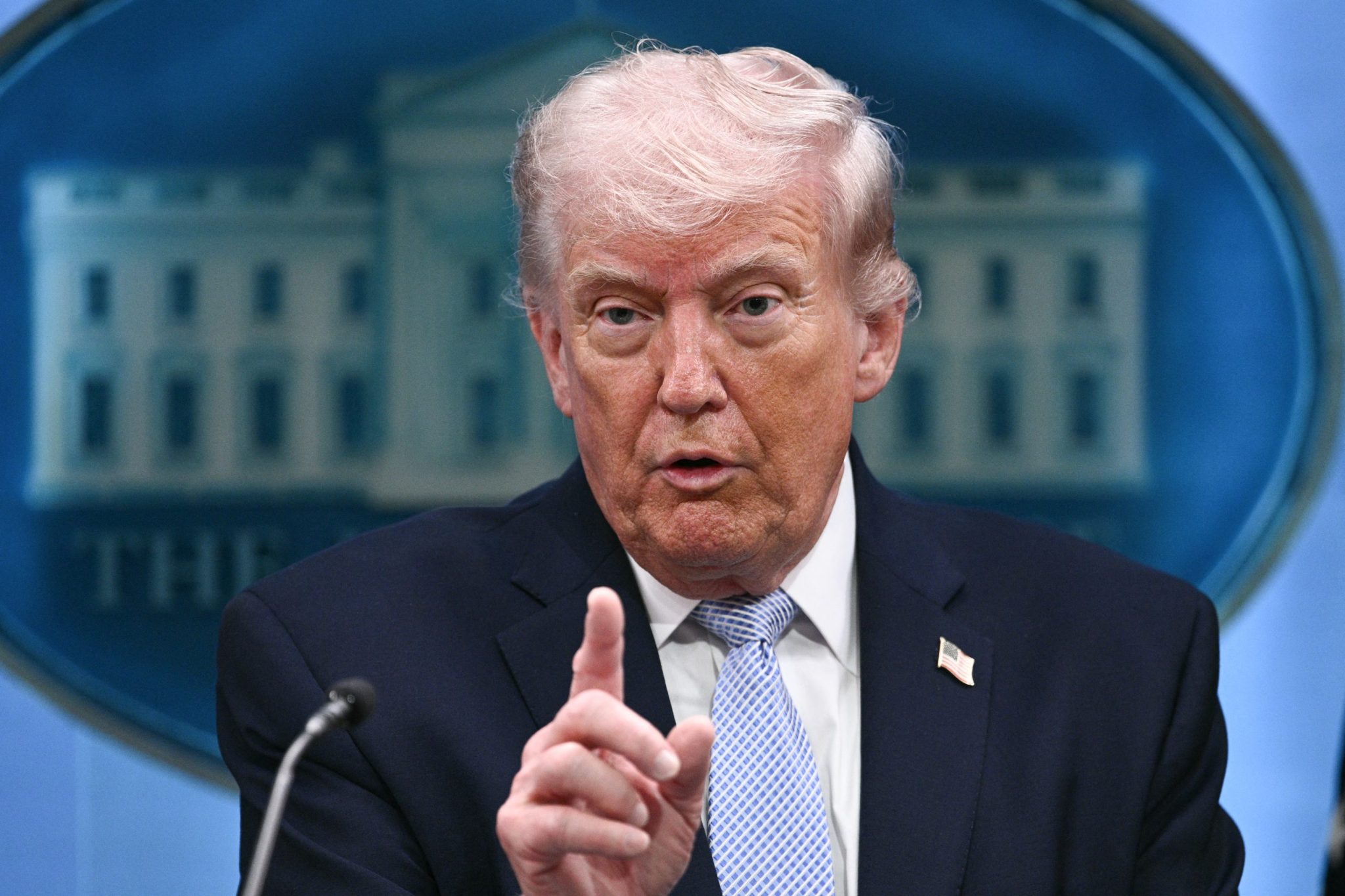
    President Donald Trump announced Sunday that the U.S. Navy would immediately impose a blockadeĀ on the Strait of Hormuz after ceasefire talks with Iran failed to produce a deal.

    That would turn the tables on the Islamic republic, which has effectively kept the narrow waterway closed with missile and drone strikes, keeping one-fifth of the world’s oil and liquid natural gas bottled up in the Persian Gulf.

    At the same time as it’s been halting global supplies, Iran is letting its own oil exports through the strait, capitalizing on the massive spike in prices for crude.

    But a U.S. blockade of Hormuz would cut off the financial windfall Tehran is reaping and further hobble an economy that was crashing even before the war started six weeks ago.

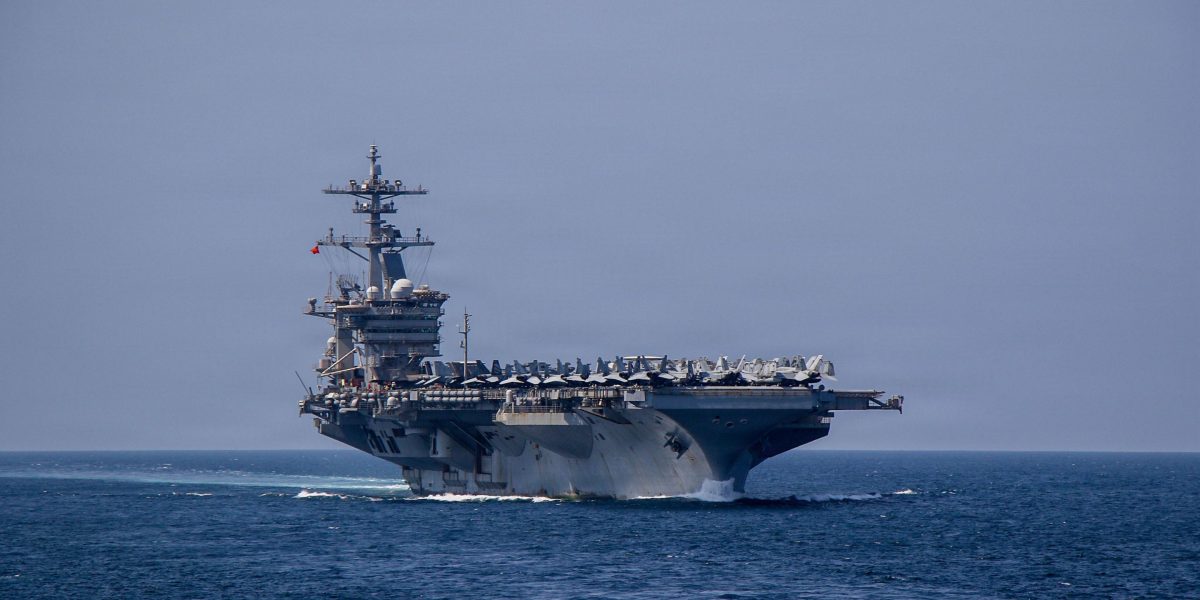
    Retired Admiral James Stavridis, who previously served as NATO’s supreme allied commander, estimated that blockading the Strait of Hormuz would require two aircraft carrier strike groups that would provide air cover, plus a dozen destroyers and frigates operating outside the Persian Gulf.

    Another half dozen U.S. warships as well as vessels from the UAE and Saudi navies would also be needed inside the Gulf, he told CNN on Sunday.

    ā€œSo you try and bottle it up on both sides,ā€ Stavridis added. ā€œThe bottom line: this is a big task, and it’s a big gamble.ā€

    Just before the U.S. and Israel began bombing Iran, 18 warships were in the Middle East, according to the Center for Strategic and International Studies. That included two aircraft carriers and the escort ships that are part of each strike group.

    Since the war started, the U.S. has deployed a Marine Expeditionary Unit, which typically includes three warships and more than 2,000 Marines. Another MEU and a third carrier strike group are on the way to the Middle East.
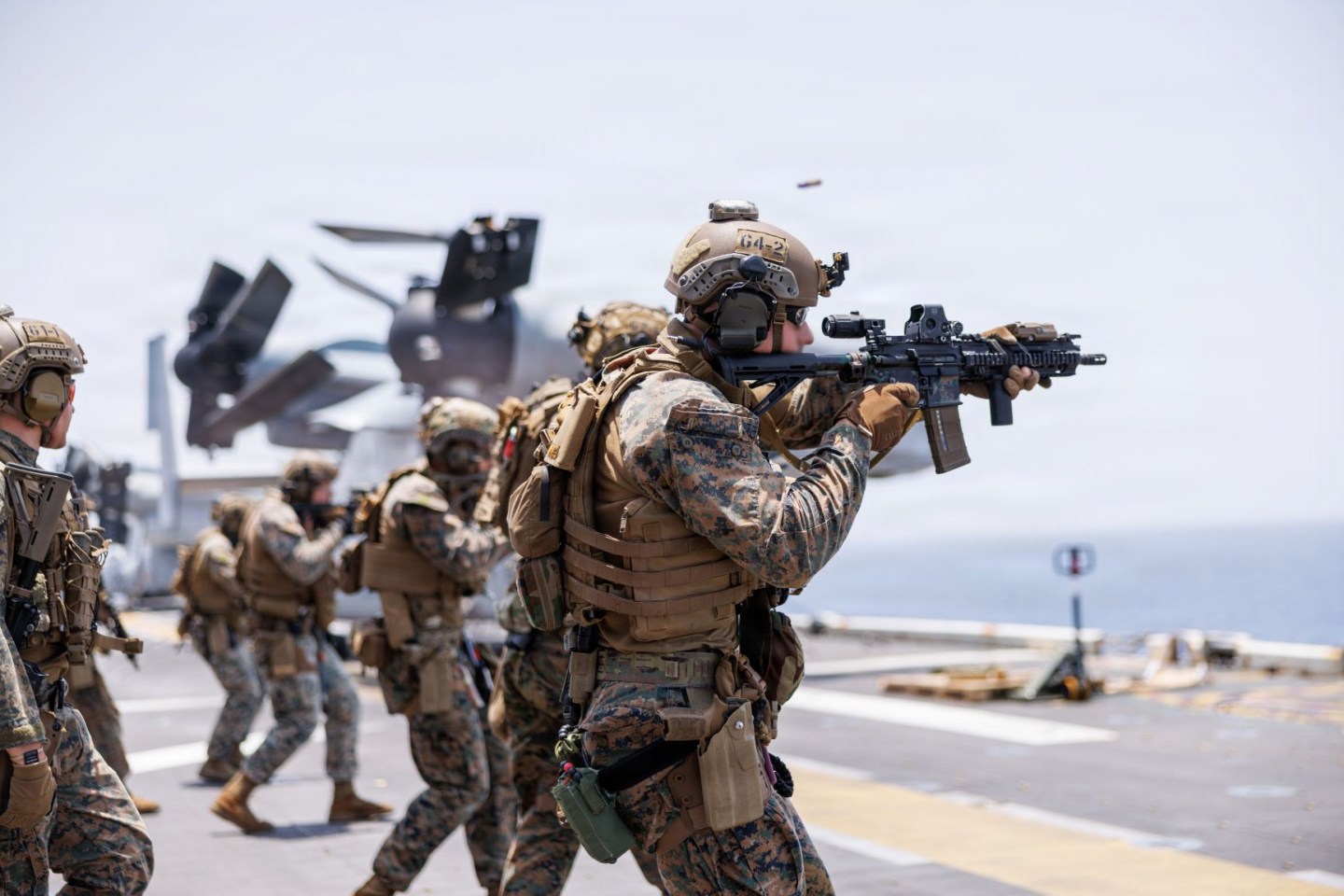
    Marines fire rifles during a deck shoot aboard the forward-deployed amphibious assault ship USS Tripoli (LHA 7), in the U.S. Central Command area of responsibility during Operation Epic Fury, April 2, 2026.

    U.S. Marine Corps

    Stavridis characterized a blockade of the strait as falling halfway between leaving it under Iranian control and Trump’s earlier threat to wipe out Iran as a civilization.

    ā€œIt puts economic pressure on Tehran without destroying the oil facilities, which you should want to preserve into the future,ā€ he said. ā€œSo big complicated undertaking, hardly a trivial move on the chess board we’ve been watching.ā€

    Cutting off the trickle of oil that’s been coming out of the Persian Gulf would likely send energy markets into more turmoil. Futures have already soared, and prices for delivery of physical barrels are even higher as shortages mount.

    Markets would also fear renewed fighting since a blockade would be perceived as a hostile act that triggers retaliation from Iran. U.S. warships near the strait could be vulnerable as Navy officials previously have described it as anĀ Iranian ā€œkill boxā€Ā filled with numerous threats, including anti-ship missiles, drones, fast-attack boats, and mines.

    But two destroyers crossed the strait on Saturday to begin setting conditions for clearing mines and eventually establishing ā€œa new passageā€ for the maritime industry for the free flow of commerce.

    Stavridis said that Iranian ships could try to look for ways around a blockade to smuggle oil or deploy more mines. He also warned Russia and China could come to Iran aid with cyberattacks.

    Despite the risks of a blockade, analysts have touted it as an option that would avoid putting boots on the ground.

    ā€œThe U.S. can implode Iran’s economy by shutting down its oil exports,ā€ Robin Brooks, senior fellow at the Brookings Institution,Ā wrote in a SubstackĀ on March 13. ā€œThat might open up the Strait of Hormuz a lot faster than anything else. Time to implode Iran’s economy and give the Ayatollahs a taste of their own medicine.ā€

    While he has been skeptical that the U.S. Navy has enough ships to escort all the tankers that typically transit the Strait of Hormuz, he said it has the resources to blockade Iran’s oil exports.

    Removing more supply from global oil markets should send prices even higher, but Brooks argued crude might do the opposite if a U.S. blockade is seen ending the war quickly.

    China, which buys most of Iran’s oil, would be incentivized to lobby Tehran to reopen the strait, and a blockade of Iran’s exports would deprive the regime of hard currency needed to prop up its war machine, he added.

    ā€œAn embargo of Iranian oil, if the collapse in Iran’s economy is deep enough, could convince markets that the closure of the Strait might end sooner rather than later. As a result, Brent might only spike briefly or even fall,ā€Ā Brooks wrote in a later post.

    [ad_2]

    Source link
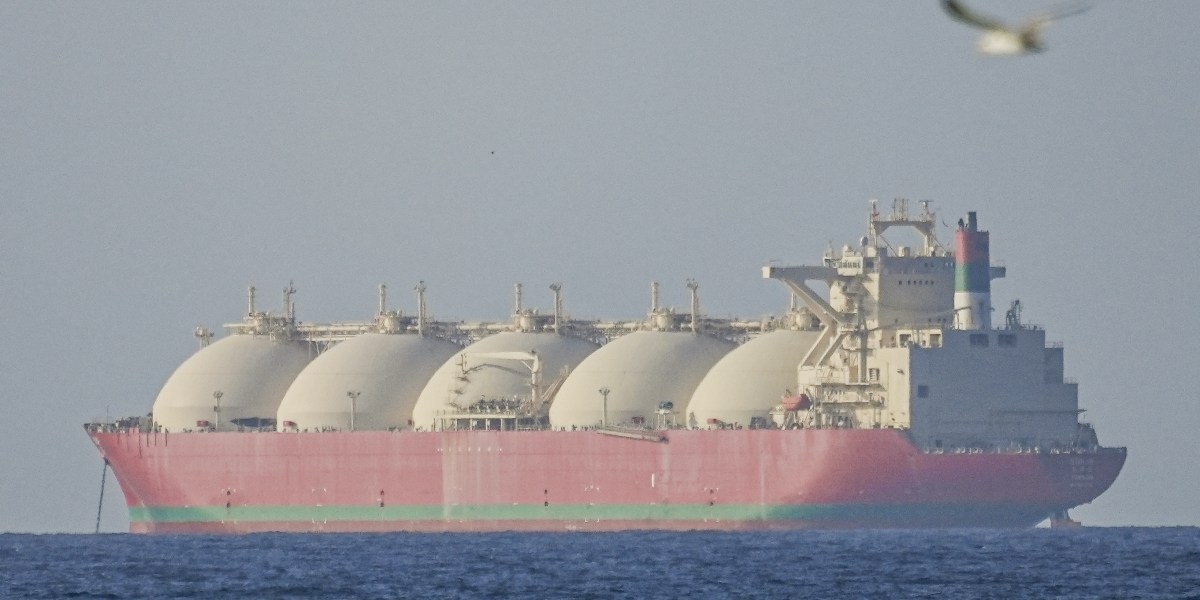
  • Oil tankers U-turn in Hormuz as U.S.-Iran talks break down

    Oil tankers U-turn in Hormuz as U.S.-Iran talks break down

    [ad_1]

    Two empty crude tankers attempted to make their way through the Strait of Hormuz and into the Persian Gulf on Sunday, only to make last-minute U-turns just as peace negotiations between the US and Iran broke down, threatening a fragile ceasefire.

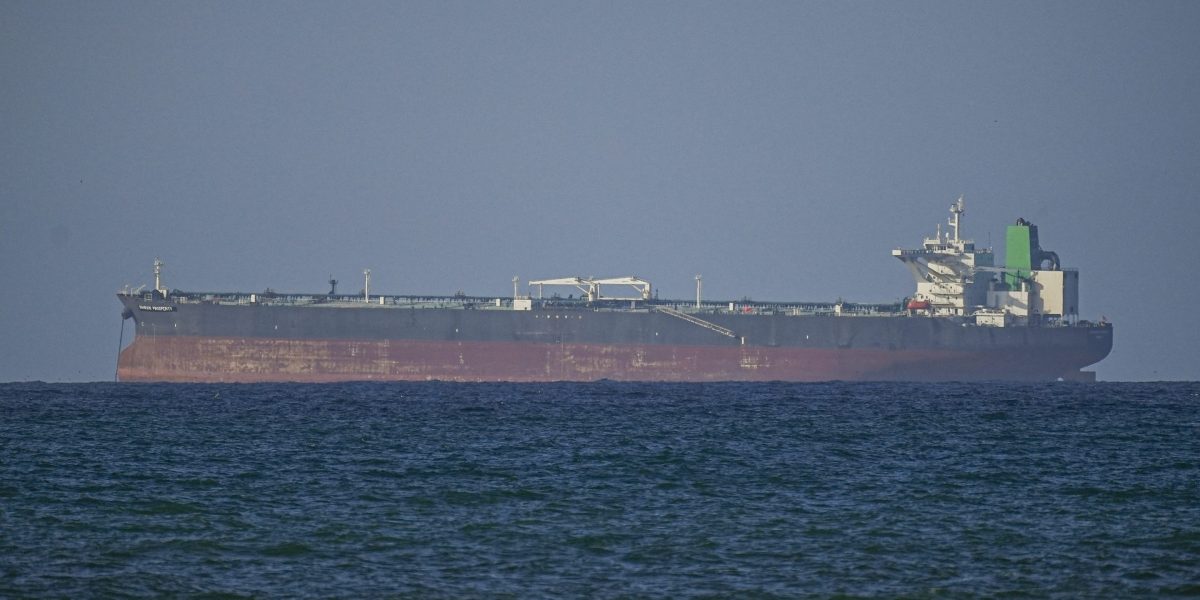
    Two very large crude carriers and one Aframax-class vessel — all without direct links to Iran — began to approach the narrow waterway from the Gulf of Oman late on Saturday, ship-tracking data show, arriving near Iran’s Larak island early on Sunday. At that effective checkpoint, Iraq-bound Agios Fanourios I and Pakistan-flagged Shalamar, destined for Das island in the United Arab Emirates, turned back.Ā 

    The first VLCC, Mombasa B, sailed ahead and successfully made its way between Larak and Qeshm islands, an Iran-approved route into the Persian Gulf. It is not currently signaling a clear destination.

    Meanwhile, the Khairpur, a Pakistani oil product tanker, was transiting through the Iranian corridor toward the Gulf after earlier changing course twice on Sunday. The vessel originally performed a U-turn near Larak and Qeshm islands before executing a second about-face to resume its inbound course.

    The specific reasons behind the about-turns are not clear, as both Iraq and Pakistan had earlier received approvals from Iran to transit the strait. But their change of heart came just as negotiators in Islamabad announced they had failed toĀ reach a deal.

    The Strait of Hormuz is one of the world’s most important energy thoroughfares and its effective closure since the US and Israel began strikes on Iran six weeks ago has resulted in unprecedented supply disruption. Its reopening has been a crucial point of discussion during weekend negotiations, but remains an area ofĀ disagreement.

    In recent weeks, several ships have attempted to transit the strait only to abort their efforts, reflecting a constantly changing security situation and persistently high risks. The vast majority have been attempting to leave the Persian Gulf, but empty tankers are also needed inside, to be loaded with new cargoes.

    Two Chinese container shipsĀ U-turnedĀ late last month before finally successfully exiting, while a liquefied natural gas carrierĀ turned backĀ last week.

    A successful transit by all three crude tankers on Sunday would have continued a positive uptick in movement through the waterway, controlled by Iran and dominated by Iran-linked vessels since the end of February. On Saturday, two Chinese supertankers and a Greek vesselĀ exitedĀ the gulf via Hormuz, laden with crude.

    Agios Fanourios I is managed by Eastern Mediterranean Maritime in Greece, while Pakistan National Shipping Corp. owns Shalamar. The two companies did not immediately respond to emailed requests sent outside of working hours.

    Mombasa B had recently switched its name from Front Forth. It is now owned by Haut Brion 8 SA that shares the same address as its South Korea-based manager, Sinokor Maritime Co. Sinokor did not respond to a request for comment outside of regular business hours.Ā 

    [ad_2]

    Source link

  • ā€˜Almost unmanageable’: Raising a child in the U.S. now costs more than $300,000

    ā€˜Almost unmanageable’: Raising a child in the U.S. now costs more than $300,000

    [ad_1]

    The experience of being a parent may be priceless. But the reality is there’s a price tag on raising a child, and it’s up in the hundreds of thousands.Ā 

    The average cost of raising a child over the course of 18 years in the U.S. has reached $303,418, according to a new study from LendingTree.Ā 

    The total cost varies widely by state. Hawaii is the most expensive state to raise a child, with LendingTree projecting a price tag of $412,661. Alaska and Maryland follow behind with $365,047 and $326,360, respectively. Meanwhile, New Hampshire is the cheapest state to raise a child, costing $201,963, less than half the price of Hawaii. Washington, D.C.—which offers free preschool for three- and four-year-olds—and South Carolina come in second and third place for the least expensive places to raise a child.Ā 

    The cost of raising a child is up 1.9% from a year ago due to significant increases to rent and clothing costs. LendingTree found that the average rent has spiked from $1,128 from their last survey in 2025 to $1,680 this year, a nearly 50% increase. Clothing costs were up by more than 25% from a year ago.Ā 

    ā€œInflation is just taking a toll, clearly, on people, and it’s certainly one of the reasons why we saw such significant growth here,ā€ Matt Schulz, chief consumer finance analyst at LendingTree, who authored the study, told Fortune.Ā 

    In some states, the costs associated with raising a child are increasing much faster than the rate of inflation. The study found that Kansas and Alaska’s projected 18-year child-rearing costs jumped 23.5% between LendingTree’s 2025 and 2026 analyses, and Montana increased by 21.7%.Ā 

    Childcare is the most expensive child-rearing cost

    Childcare costs are by far the highest expense for families with children under 5, according to LendingTree’s analysis. Parents in Hawaii pay an average of $40,342 per year, whereas families in Maryland and Massachusetts pay $36,419 and $34,247, respectively.Ā 

    Fourteen states saw the cost of raising a small child increase by at least 10%. Sparsely populated states such as Nebraska, Montana, and Wisconsin all saw early childrearing cost jump by at least 23% due to the lack of options and high demand.Ā 

    ā€œA few states and even areas within various states are what are called ā€˜childcare deserts,ā€ where there’s just not nearly enough supply of daycare and child care centers to keep up with the demand for it,ā€ Schulz explained. ā€œSo what happens is that the ones that are there—and especially the really good ones that are there—can charge basically whatever they want to charge, and it ends up driving up the rates quite a bit.ā€

    Childcare is affordable if it consumes no more than 7% of household income, according to federal guidelines. With childcare costs averaging $28,190 a year, a household would have to earn $402,708 for it to be considered affordable, but the average two-child household has an average income of $145,656, just over one-third of that target.Ā 

    A February survey from the National Association for the Education of Young Children found 65% of childcare centers and 51% of public-school-based programs reported tuition increases. Nearly a third of home-based childcare providers raised tuition.Ā 

    ā€œIt’s a real challenge for people who really need the help,ā€ Schulz said. ā€œAs much as we wish that people had a relative or a trusted friend that they could lean on for that sort of thing, a lot of people just don’t have that choice, so they have no other choice but to pay whatever they need to for daycare.ā€Ā 

    The long-term consequences of childcare costs

    High childcare costs are detrimental to long-term savings like building an emergency fund or putting money away for college or retirement, Schulz said.Ā 

    ā€œIt just turns a really challenging situation into an almost unmanageable one for people, and that’s why we see so many people factoring in finances when it comes to deciding whether to start a family or how many kids they might have.ā€Ā 

    For some families, it’s the choice between a parent working or paying for childcare.Ā 

    ā€œAs much as we wish that we didn’t have to to think about the cost of being a parent, you’re doing yourself and your family a bit of a disservice if you don’t, because there are very, very few among us who, for for whom the cost of raising a child is not significant,ā€ Schulz said.

    [ad_2]

    Source link

  • A 93-year-old refused to sell her home to the Masters golf course because ā€˜money ain’t everything’

    A 93-year-old refused to sell her home to the Masters golf course because ā€˜money ain’t everything’

    [ad_1]

    A 93-year-old woman who lived less than a mile from Augusta National Golf Club refused to sell her property to the club until her dying breath, rebuffing years of expansion efforts by the golf club that hosts the celebrated Masters Tournament.Ā 

    Elizabeth Thacker lived in a three-bedroom, single-story house on a 0.67 acre lot that was built in 1956, according to property records. It’s a normal-looking home in a far-from-normal location: just outside the north gate of the Augusta National Golf Club.

    Thacker lived in the home at 1112 Stanley Road in Augusta, Ga. with her husband, Herman Thacker, and the couple raised their kids there. Their grandson, a pro golfer named Scott Brown, also spent time there as a child, NJ.com reported.

    Elizabeth Thacker died in July last year, at the age of 93, while Herman Thacker died in 2019 at the age of 86. The home at 1112 Stanley Road is still in Elizabeth Thacker’s name, according to property records. Thacker’s daughter Robin Thacker Rinder,Ā confirmed to Fox Business on April 9 the home has not been sold.

    ā€˜Money ain’t everything’

    Thacker told NJ.com in 2017 the couple did not want to leave their home even as Augusta National, which hosts the Masters tournament yearly, made offers for the property. Records show the property was last valued at $338,733 in 2025, above Augusta’s median listing price of $240,000, according to Redfin. Augusta National has made Thacker multiple offers over the years above the home’s estimated value, Thacker’s daughter Robin Thacker Rinder told Fox Business.

    Still, the late Herman Thacker told NJ.com in 2017 that the couple was staying put because ā€œmoney ain’t everything.ā€Ā 

    Augusta National Golf Club has become a revered athletic landmark as host of the biggest golf tournament in the world, the Masters which started in 1934, and for its superstar winners, including Tiger Woods, Arnold Palmer, and Jack Nicklaus.Ā Last year, Northern Irish golfer Rory McIlroy won the tournament and claimed an iconic green blazer.

    Augusta National’s $280 million land grab

    For years, Augusta National has tried to capitalize on that clout by acquiring surrounding properties for well above their asking price, some through limited liability companies with names like BC Acquisition Co. and WSQ, The Wall Street Journal reported. The golf clup has spent $280 million to acquire property surrounding the course over the past two decades, according to Golf.com.

    A spokesperson for Augusta National did not respond to Fortune’s request for comment.

    Through its buying frenzy, the golf club has targeted homes like that of Thacker and her neighbors, many of which sold their properties to Augusta National. In 2018, one neighbor sold her three-bedroom ranch home, which is only an 11-minute walk from Thacker’s home, to the club for $1.1 million, the Journal reported. And the Thackers themselves sold another home they owned to Augusta National for $1.2 million, Fox Business reported.

    The properties the club buys are mostly razed. Steps away from Thacker’s home, an unpaved parking lot welcomes visitors just outside of the north gate. As attendees visit the club for the Masters this weekend, many will likely walk right by the Thacker home to enter the club near the clubhouse and tournament practice area.Ā 

    Still, her daughter, Thacker Rinder, said Augusta National hasn’t approached the family with new offers in the past year since the elder Thacker died, she told Fox Business. She would only sell, she says, ā€œif the price is right.ā€

    Thacker Rinder is now living in the house, and, like her mother, plans to keep the home in the family and is ā€œtaking good care of it,ā€ she said.

    A version of this story was published on Fortune.com on April 12, 2025.

    More on golf:

    • Scottie Scheffler joined Tiger Woods and Rory McIlroy in golf’s $100M club
    • Why brands are making long-term bets on women’s golf at Augusta
    • The 2026 Masters winner will earn 113 times more than the first champion did in 1934

    [ad_2]

    Source link

  • American companies are so cash-starved they are using tariff refund claims as collateral for loans

    American companies are so cash-starved they are using tariff refund claims as collateral for loans

    [ad_1]

    When the Supreme CourtĀ struck down President Donald Trump’s tariffs two months ago, many companies rejoiced at the prospect of returning to pre-tariff prices and the possibility of getting a refund back from the government. However, the ruling may have also created a $166 billion problem.Ā 

    U.S. importers—who have shouldered the brunt of the tariffs—are now waiting to receive an estimated $166 billion in refunds on the levies. But, battered by supply chain woes as a result of the import tax, hiked energy prices thanks to the Iran war, andĀ  nervous consumers bracing for recession, many large companies are scrambling for cash.

    ā€œBusinesses are struggling,ā€ said Alex Hennick, president and CEO of A.D. Hennick and Associates, a liquidation firm which specializes in distressed asset recovery. ā€œThe economy is tough right now. The cost of manufacturing is up, traffic is down, and retail sales are down. So this can be a situation where the company is struggling and they need this money in order to survive.ā€

    ā€œIt’s a situation where people are trying to be creative,ā€ he told Fortune.

    And the data backs him up. A KPMG survey in February found more than half of U.S. companies experienced compressing margins, with 82% reporting a decline in foreign sales, while 61% reporting a decline in domestic ones. Nearly 70% of firms said they delayed major investments as a result of the tariffs.

    In February, the Supreme Court deemed tariffs imposed under the International Emergency Economic Powers Act (IEEPA) unlawful and laid the groundwork for U.S. companies to recoup what they paid over the year the tariffs were in place. However, there are still question marks on when these refunds will be distributed, and how much of them businesses will actually see. The highest court offered no specifics on how the refunds would be determined or distributed, leaving it up to the Court of International Trade and U.S. Customs and Border Protection (CBP) to determine the refund process. According to the CBP, once its automated payment system is online, refunds should take 45 days to distribute. The first phase of the system’s deployment will launch on April 20.

    Some companies can’t afford to wait. Instead, cash-hungry businesses are taking their tariff refund claims to the bank, and using them as collateral for loans.

    ā€œIf you need the cash flow in order for your business to grow, to survive,ā€ Hennick said. ā€œIt’s something where you’re better off having it now and trying to make it than waiting,ā€Ā 

    When tariff claims become loan collateral

    According to a recent CBP filing at the end of March, of the more than 330,000 U.S. importers affected by tariffs, 26,664 importers have signed up for the agency’s automatic refund system, or just 8% of all importers. Those importers already account for $120 billion in tariff revenue, according to the documents, meaning any importers who sign up for a refund will only be able to request reimbursement from what remains of the $166 billion in tariff revenue.

    Many of these large companies hit hardest by tariffs—particularly those in the manufacturing and automotive industries, and retail and consumer goods—could see using refund claims as loan collateral as worth it, Hennick suggested.

    Despite interest rates on loans remaining elevated for the last five years, the prospect of immediately receiving cash is a relief to companies who are still grappling with the uncertainty on when, exactly, they will get their refunds. It’s also an alternative to the $100 billion secondary market that has emerged around companies selling the rights to refund claims to hedge funds and liquidity specialists. Selling the rights to tariff refund claims may allow companies to outright receive about a fraction of the eventual refund value and relinquish the headache of refund uncertainty, but it also means they are unable to cash in on the greater refund they would have received had they chosen to wait out the rebate process.

    Wes Harrell, a broker and head of a trading group at capital markets firm Seaport Global, told Fortune that in these instances, the loan-to-value ratio of potential refunds used as collateral might be about 50%, meaning a $10 million refund claim would only be worth $5 million as a loan. By comparison, companies selling the rights to their refund claims are doing so for about a quarter of their projected value.

    According to Hennick, whatever decision companies make on how to leverage the refund claims comes down to their appetite for risk—but he predicts more firms than not will have to make tough choices, as opposed to simply waiting for refunds.

    ā€œIt’s coming to the point where some people might have no choice,ā€ he said. ā€œThey’re either going to have to sell their claim or they’re going to have to borrow money to get money in order to continue to operate their business.ā€

    The risks of more borrowing

    Harrell, however, sees meaningful risks associated with the borrowing. There’s a chance the government may issue only a partial refund or may reject a business’s claim altogether. Despite CBP’s estimations, some supply chain experts believe it may take years for the Trump administration to dole out the rebates as a result of the sheer magnitude of the money in question. If refunds take longer than anticipated, the interest accrued on a loan may be greater than the refund itself.

    ā€œAs an importer, you’re still fully exposed to the timing of the legal process because you have, in effect, retained your rights to the full refund,ā€ Harrell said. ā€œYou haven’t solved the problem. You’ve just financed it.ā€

    As time goes on without definitive answers on refunds, Harrell sees more companies taking actions like selling the rights to their claims, preferring to pocket money now instead of waiting for a sum later down the line.

    ā€œCFOs are going to prefer to have clarity and certainty around their capital,ā€ he said, ā€œas opposed to uncertainty on a contingent government receivable with no defined timeline.ā€

    [ad_2]

    Source link

  • Former ā€˜Citgo 6’ prisoner sees ā€˜karma’ in Maduro, but Venezuela won’t rebound until regime change

    Former ā€˜Citgo 6’ prisoner sees ā€˜karma’ in Maduro, but Venezuela won’t rebound until regime change

    [ad_1]

    ā€œThat is exactly what this guy did to us,ā€ Pereira said of the former Venezuelan strongman leader. ā€œFor me, it was like, ā€˜Wow, now you’re suffering. Now, this is karma.’ I was very glad. It’s not vengeance; it’s justice.ā€

    Rewind nine years to the beginning of 2017, Pereira, then 55, was freshly promoted to the top of his profession as the interim CEO of Citgo Petroleum in Houston.

    The year would end with Pereira in handcuffs in Caracas in a military prison, tried and convicted in a kangaroo court for corruption and treason with five of his colleagues—the ā€œCitgo Six.ā€ Citgo, the storied American oil refiner, was acquired by the Venezuelan government and its state oil company, PDVSA, in 1990, eventually becoming a political pawn of Maduro.

    That’s how Pereira—and five other Houston-based Citgo executives—became the unfortunate ā€œCitgo Sixā€ political prisoners in Venezuela for five years before their negotiated release in 2022. Eventually, he published his memoir of the ordeal, ā€œFrom Hero to Villain: My True Story of the Citgo 6,ā€ as his form of writing therapy.

    Pereira, who was born and raised in Venezuela, was the only one of the six prisoners who wasn’t an American citizen. He had worked for more than 25 years with Venezuela’s state oil company—often with U.S. companies until their assets were expropriated in 2007—before he moved to Texas to work for Citgo in 2012 and obtained permanent resident status in the U.S.

    His decades of insight into the inner workings of Venezuela politics and its oil sector are why he’s confident his home country can only thrive again politically and economically following the U.S. military intervention in the South American country—if fair democratic elections are enacted as quickly as possible.

    Venezuela cannot grow and oil companies will not want to invest if interim president Delcy Rodriguez—Maduro’s former vice president—remains in charge with the rest of the old Maduro regime, Pereira says. They may be acting moderately and cooperating with the Trump administration for now, but they’re just biding time, Pereira insists. ā€œThey are masters in gaining time.ā€

    ā€œThese guys don’t operate like a normal government; they operate like the mob. You take out the head of the mob, and somebody is going to replace him,ā€ Pereira told Fortune. ā€œIt’s the same regime. There’s no real change there.ā€

    Still, he remains confident elections are coming. He’s just not sure if they can come by the end of 2026 as he prefers.

    ā€œThis transition has to be shortened,ā€ Pereira said. ā€œIt will take time, but it will be done. You need a reliable [business] partner in the government, and the only way you’re going to get that is having a free election and having a democracy.

    ā€œI’m sure Venezuela will become an energy hub if this is done right.ā€

    Energy dreams

    Indeed, Rodriguez and the interim Venezuelan leadership have cooperated and passed a new hydrocarbons law to re-open the country’s energy sector up to more foreign investment—a legal reform that the CEOs of Chevron, Shell, and ConocoPhillips said shows progress but still falls short of what’s needed. And, in large part because of that cooperation, there’s no fast-tracked timeline for elections yet.

    In January, Exxon Mobil chairman and CEO Darren Woods famously called the Venezuelan oil sector ā€œuninvestable.ā€ Exxon now has a small team on the ground there to evaluate the state of the industry. Pereira says Exxon is right to tread cautiously: ā€œIf I were Exxon, they expropriated me two times already. What will be the guarantee that they’re not going to do it the third time?ā€

    While Venezuela counts the world’s largest oil reserves on paper, the country’s oil production volumes have plunged from 3.2 million barrels daily in 2000 to about 1 million barrels today due to a combination of mismanagement, underinvestment, and U.S. sanctions. Largely thanks to Chevron, the only U.S. producer which never left, Venezuela is on track to grow to roughly 1.2 million barrels by the end of this year—still a shell of its former self. Chevron and, yes, Shell, count among the few planning to invest more thus far.

    Pereira confirmed that the Venezuelan oil industry is ā€œtotally deteriorated.ā€ An economic resurgence is possible, but it will take years, he said.

    ā€œThere has to be a lot of investment. At the end of the day, it’s going to get done because the assets are there, the oil is there,ā€ he said.

    JosƩ Pereira wrote "From Hero to Villain: My True Story of the Citgo 6"

    A long, crude story

    When Trump intensified sanctions on Venezuela in 2017 and relations between the two countries became further strained, Pereira expedited his plans to retire in early 2018.

    He didn’t make it that long.

    ā€œI said, ā€˜Oh, I don’t like this.’ I was appointed as interim CEO in the worst moment of the relationship. This is a nightmare,ā€ he said.

    Fast forward to November 2017—three months prior to his retirement—and Pereira was fatefully summoned to Venezuela to make Citgo business presentations to government leadership. He brought five of his top executives along with him.

    After the presentations seemingly went well, they trekked to the airport to return to Houston—two days before Thanksgiving. That’s when all hell broke loose for their lives.

    ā€œI was in my retirement mode. The plane was waiting for me to begin my new life, and that’s when the guards came,ā€ Pereira recalled.

    It seems as if the six Houston-based Citgo leaders made ideal bargaining chips and, therefore, political prisoners for Maduro.

    ā€œWe were accused of being spies, corruption, treason of the country, and like 10 more charges,ā€ he said. As the boss, Pereira was sentenced to 13 years in prison, while his colleagues got nearly nine years each.

    ā€œEverything was false. We were the first experiment of Venezuela taking [political] hostages. We were the guinea pigs,ā€ he added. ā€œAfter us, they began to do it very frequently. This is a business model—take people and negotiate.ā€

    Rats the size of rabbits

    He initially was sent to military prison, or ā€œdungeonā€ as he called it, and then eventually transferred to the infamous El Heliocide prison in Caracas that’s well known for its torture and long list of human-rights violations. It was somehow a slight improvement from the military dungeon, he said, but the rats were the size of rabbits.

    He lost nearly 100 pounds from starvation and suffered through bronchitis, pneumonia, and scabies, he said. There was no running water and sometimes he’d go months without seeing the sun.

    ā€œOn the other side of the wall, there was a room they called the ā€˜madness room,ā€™ā€ he said. ā€œWe heard in the night when they were torturing people. Can you imagine sleeping in the middle of the night and hearing the screaming and the yelling and the crying and the beatings? It was like living in a hell.ā€

    The lack of food forced his family to make a big sacrifice, but eventually offered a semblance of hope. His family had to ship him food to eat for lack of prison funding, which proved impossible from the U.S. So one of his sons moved to Colombia, where he could buy and ship the imprisoned Pereira weekly grocery boxes of food.

    Pereira eventually figured out how to smuggle letters to his family, and he and his wife and children began writing letters back and forth to each other—both for his sanity and to keep him abreast of political, prisoner exchange negotiations that remained stagnant for years. The saved letters also served as the basis for his memoir.

    Eventually, came Oct. 1, 2022. He and the rest of the Citgo Six—one of them was released months prior as a goodwill gesture—were told they were being sent to a meeting. It was ominous, but eventually they learned they would be released. ā€œWe didn’t believe it.ā€

    Without being told where they were headed, they were flown to the Caribbean island country Saint Vincent and the Grenadines—a neutral ground for the negotiated prisoner exchange that swapped the Citgo employees for two nephews of Maduro who had been arrested seven years prior for narcotics trafficking (the so-called ā€œNarcosobrinosā€ā€”or drug trafficking nephews—affair).

    Then they finally flew back to Texas. The relief was great, but so was the post-traumatic stress disorder.

    ā€œAfter almost six months, I began to feel like I had my life back,ā€ Pereira said. ā€œI felt like I’d come in a time machine. All those years lost.ā€

    For him, writing and talking about his experience became his ā€œhealing process.ā€

    And watching Maduro behind bars offered its own therapeutic assist.

    ā€œOur story is very tied to what’s going on today in Venezuela,ā€ Pereira said, but now there’s reason to hope again.

    [ad_2]

    Source link

  • Three oil supertankers sail through the Strait of Hormuz

    Three oil supertankers sail through the Strait of Hormuz

    [ad_1]

    Two Chinese supertankers loaded with crude sailed through the Strait of Hormuz hours after a Greek vessel moved through the waterway, marking a significant uptick in oil shipping traffic days after a fragile ceasefire between the US and Iran was announced.

    It represents the biggest day of oil exits through Hormuz since the war caused traffic through the waterway to all but halt six weeks ago. None are carrying oil from the Islamic Republic or have obvious, direct links to the country.

    The reopening of Hormuz is critical to the world’s oil trade because its closure has resulted in the loss of millions of barrels of supply to global markets. A resumption would alleviate pressure on increasingly tight physical markets everywhere. The US and Iran are set to hold peace talks in Islamabad in the coming days.

    The two Chinese supertankers are the first from the Asian nation observed taking barrels out of Persian Gulf, a boon for Beijing but nevertheless underscoring that the country has also been squeezed by the conflict.

    In oil-flow terms, the exits are significant but still way below peace-time levels.Ā 

    The three tankers between them have a transport capacity of about 6 million barrels of crude. In addition, Iran, the only country really sending barrels through, exported at a rate of about 1.7 million barrels a day last month. That would imply roughly half the normal rate of shipments through the waterway — and only on a single day.

    There’s also a third Chinese tanker, the Yuan Hua Hu, which hasn’t been signaling on Saturday, that had been waiting close by the first two before they moved to depart the Persian Gulf.Ā 

    The Greek tanker was signaling for Malacca in Malaysia, whose media reported on Friday a permission for the country’s freighters to depart. Malacca is also a waypoint for ships going elsewhere in Asia. Iran has said that vessels are allowed to sail through the waterway, but that they must get permission to do so.

    The two Chinese supertankers are the Cospearl Lake and the He Rong Hai. The Greek one is the Serifos. Calls to the ships’ operators outside normal working hours either weren’t answered or weren’t immediately returned. The Serifos and the He Rong Hai loaded their cargoes in Saudi Arabia, while the Cospearl Lake did so in Iraq, the tracking data show.

    All three appear to have followed a northerly route through the strait that has been demanded by Tehran. That path passes through Iranian waters and along the coasts of Qeshm and Larak Islands and is well away from the traditional Hormuz shipping lanes that hug the southern coast of the waterway.

    Almost all traffic through the waterway, which normally handles about a fifth of the world’s oil and a similar portion of liquefied natural gas, ground to a halt within a day of the war starting on Feb. 28.Ā 

    While digital ship-tracking can be subject to manipulation, the three ships’ signals look consistent with genuine vessel movements.

    [ad_2]

    Source link

  • Iran threatens U.S. warships after they throw down the gauntlet for winner-take-all Strait of Hormuz

    Iran threatens U.S. warships after they throw down the gauntlet for winner-take-all Strait of Hormuz

    [ad_1]

    U.S. Navy ships sent an unmistakable signal Saturday as they crossed the Strait of Hormuz, challenging Iran’s control over the narrow waterway that will likely determine the outcome of the Middle East war.

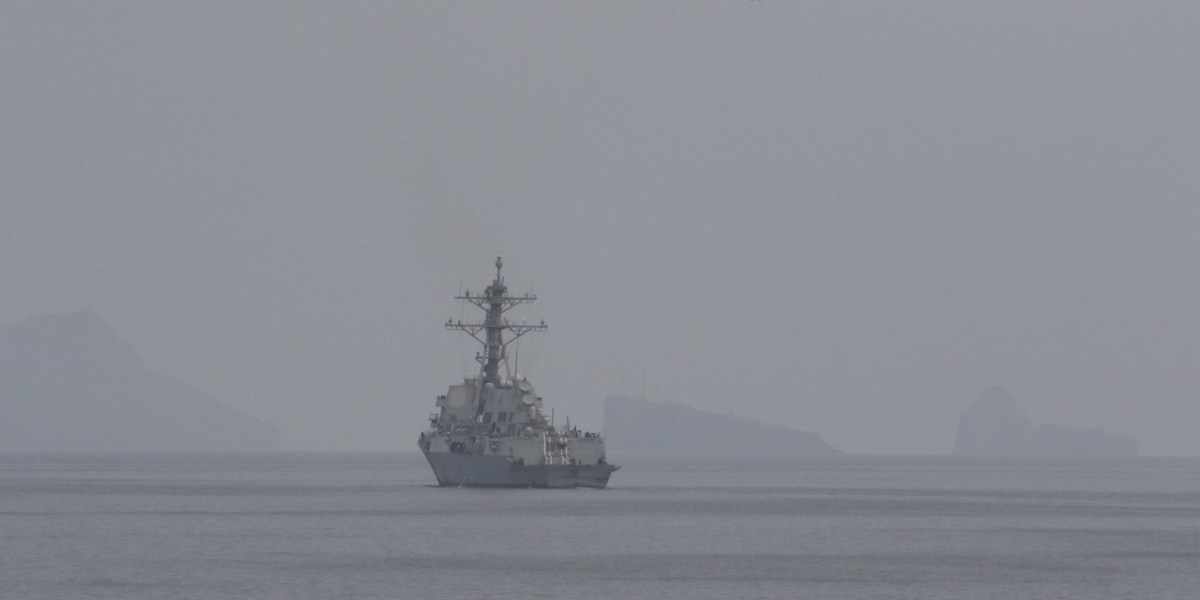
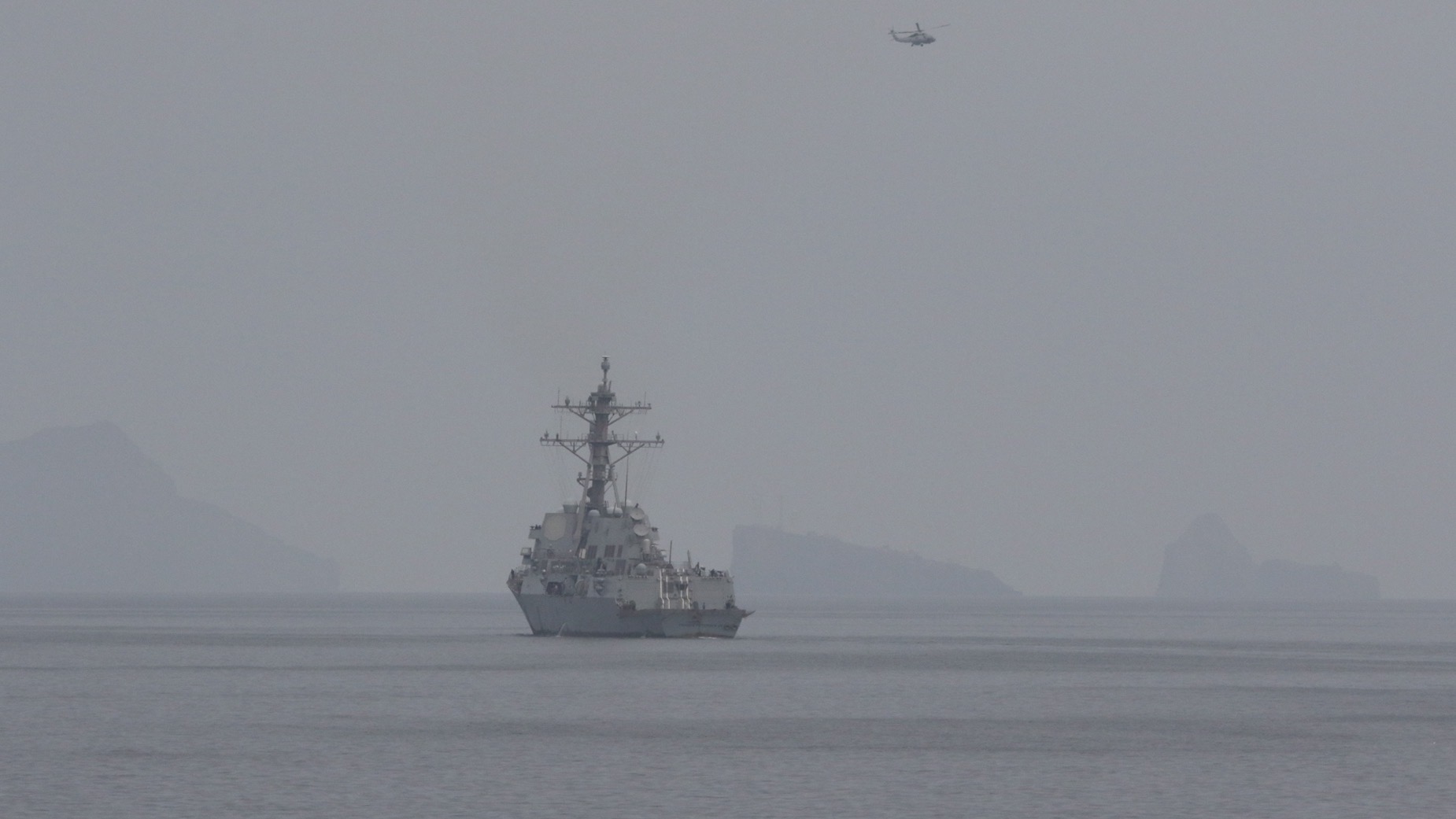
    The USS Michael Murphy turned on its automatic identification system as it and another destroyer, the USS Frank E. Peterson, transited the strait, breaking the typical protocol of Navy ships sailing with their AIS turned off.

    ā€œYou just don’t throw AIS on by accident on a Navy ship,ā€ Campbell University professor SalvatoreĀ Mercogliano, who specializes in military and maritime history, said on his podcast. ā€œThis is purposeful. They wanted to turn this on on the far side of the Strait of Hormuz to demonstrate that they have sailed through.ā€Ā 

    U.S. Central Command said the destroyers had begun setting conditions for clearing mines that had been placed by Iran’s Islamic Revolutionary Guard Corps.

    It added that more U.S. forces, including underwater drones, will join the clearance effort in the coming days, pointing out that the strait is an international sea passage and an essential tradeĀ corridor.

    In a statement, Admiral Brad Cooper said Central Command is ā€œestablishing a new passageā€ for the maritime industry for the free flow of commerce.

    Iran’s grip on the strait, through which one-fifth of the world’s oil and liquid natural gas flowed before the war, has triggered a global energy crisis and represents the regime’s main form of leverage over the U.S.

    The destroyers’ crossing of the strait comes as the U.S. and Iran began ceasefire talks in Pakistan this weekend. But if the Navy creates a safe avenue for tankers that doesn’t require getting Iran’s permission and paying a toll, then talks would shift in America’s favor.

    As a result, the IRGC challenged the Navy destroyers as they transited, according to a radio conversation recorded by a civilian ship that was shared with the Wall Street Journal.

    ā€œThis is the last warning. This is the last warning,ā€ the IRGC said.

    ā€œPassage in accordance with international law. No challenge is intended to you, and I intend to abide by rules of our government’s ceasefire,ā€ the U.S. ship replied.

    Ā Iranian media said the destroyers turned around after being confronted by the IRGC, which reportedly Ā launched a drone in the direction of the destroyers. The IRGC also saidĀ any attempt by military ships to cross the strait would be met with a ā€œfirm and forceful response.ā€

    Until now, U.S. warships have avoided the strait as Navy officials previously have described it as an Iranian ā€œkill boxā€ filled with numerous threats, including anti-ship missiles, drones, fast-attack boats, and mines. And given how narrow the strait is, projectiles can be fired from close distances and provide little time for a defensive response.

    Meanwhile, the U.S. military continues to send more combat power to the region. A third aircraft carrier as well as thousands of Marines and paratroopers are expected to arrive later this month. More long-large cruise missiles are also flowing to the Middle East.

    Mercogliano said there were earlier signs the Navy resupplied its ships via the island of Diego Garcia, potentially to replenish munitions. Littoral combat ships, which are equipped with mine-hunting underwater drones, may also be in the mix.

    While it’s not clear if the destroyers entered the strait alongside those ships or without them, it still marked an important milestone for the oil trade.

    ā€œOne of the things that commercial ships were waiting to see was whether or not this strait was clear, and sailing two destroyers in is a big one,ā€ he added.

    Despite the ongoing ceasefire talks, another military clash between the U.S. and Iran may be looming soon. Rapidan Energy founder Bob McNallyĀ told CNBC on Thursday that he thinks the U.S. is ā€œgetting ready for round 2.ā€

    As the U.S. weakens Iran’s ability to threaten ship traffic, Iran’s leverage will erode, and conditions for a lasting ceasefire with a full reopening of the Strait of Hormuz could be in place later this month, he said.

    McNally compared neutralizing Iran’s threats to a game of whack-a-mole, noting the variety of its weapons, and pointed out that the U.S. has reduced Iran’s stockpile of underwater mines.

    ā€œIt may not be widely reported, but I believe the U.S. military in the last week or so has been focusing on whacking those moles, degrading Iran’s ability,ā€ he added. ā€œYou may not perfectly get rid of it, but degrading Iran’s ability to interdict shipping down to a manageable level—and that’s when insurance can come into play and escorts, and folks can start to move through.ā€

    [ad_2]

    Source link

  • JD Vance says talks end without deal after Iran refuses U.S. demand not to develop nuclear weapons

    JD Vance says talks end without deal after Iran refuses U.S. demand not to develop nuclear weapons

    [ad_1]

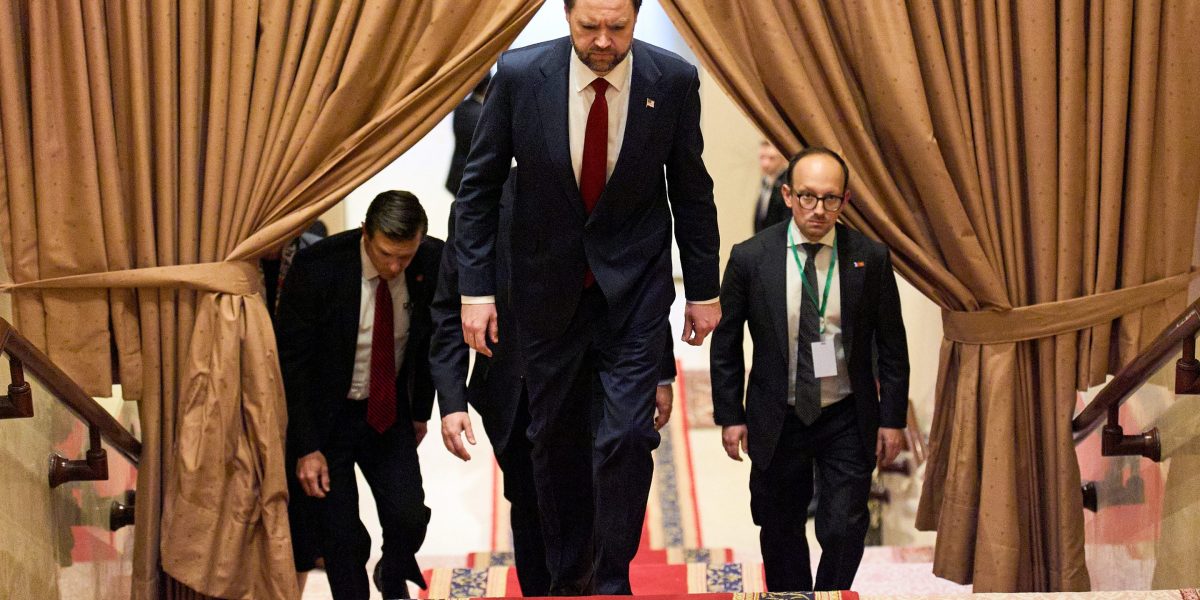
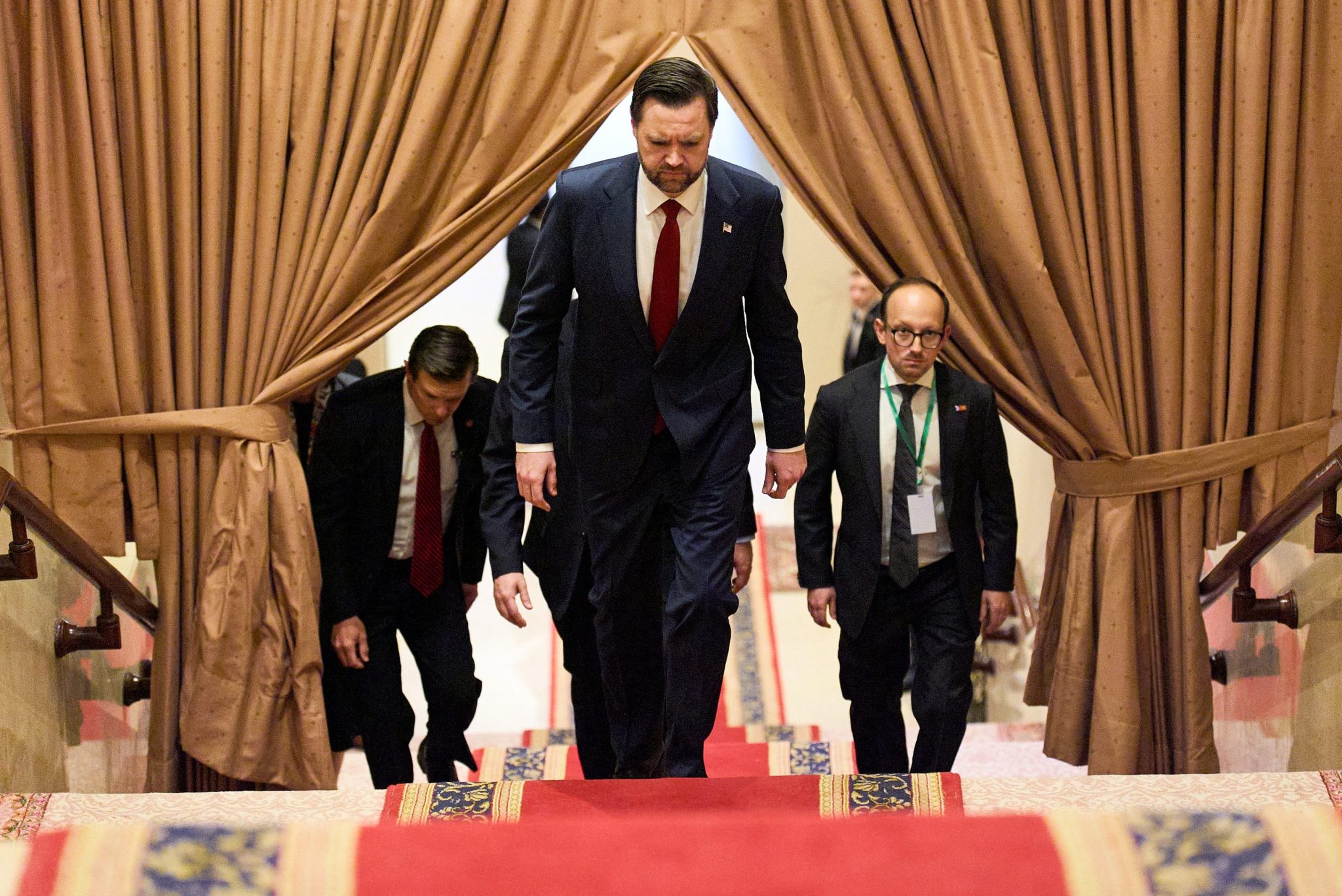
    U.S. Vice President J.D. Vance said negotiations ended early Sunday between the United States and Iran without a peace deal after the Iranians refused to accept American terms to not develop a nuclear weapon.

    The third round of historic, face-to-face talks concluded days after a fragile, two-week ceasefire was announced asĀ the warĀ that has killed thousands of people and shaken global marketsĀ entered its seventh week.

    The latest bargaining lasted 21 hours, Vance said, with the vice president in constant communication with U.S. President Donald Trump and others in the administration.

    ā€œBut the simple fact is that we need to see an affirmative commitment that they will not seek a nuclear weapon, and they will not seek the tools that would enable them to quickly achieve a nuclear weapon,ā€ Vance told reporters. ā€œThat is the core goal of the president of the United States. And that’s what we’ve tried to achieve through these negotiations.ā€

    The vice president said he spoke with Trump ā€œa half dozen times, a dozen times, over the past 21 hoursā€ and also spoke with Secretary of State Marco Rubio, Treasury Secretary Scott Bessent and Adm. Brad Cooper, head of the United States Central Command.

    ā€œWe were constantly in communication with the team because we were negotiating in good faith,ā€ Vance said, speaking at a podium in front of a pair of American flags with special envoys Steve Witkoff and Jared Kushner to his side. ā€œAnd we leave here, and we leave here with a very simple proposal, a method of understanding that is our final and best offer. We’ll see if the Iranians accept it.ā€

    Trump had said he would suspend attacks against Iran for two weeks. Vance’s comments did not indicate what will happen after that time period expires or if the ceasefire will remain in place.

    After his brief remarks, Vance boarded his government plane to leave Pakistan.

    Two Pakistani officials said discussions between the heads of the delegations will resume after a break. Some technical personnel from both teams are still meeting, said the officials, who spoke on condition of anonymity because they were not authorized to brief the press.

    US says its destroyers moved through the Strait of Hormuz

    Meanwhile, the U.S. military said two destroyers transited the Iran-grippedĀ Strait of HormuzĀ ahead of mine-clearing work, a first since the war began. Iran’s state media, however, said the joint military command denied that.

    ā€œWe’re sweeping the strait. Whether we make a deal or not makes no difference to me,ā€ Trump told journalists as talks continued and the time approached 2 a.m. in Islamabad. He called negotiations ā€œvery deep.ā€ Iranian state TV noted what it called ā€œseriousā€ differences.

    The U.S. delegation led byĀ VanceĀ and the Iranian one led by Parliament SpeakerĀ Mohammad Bagher QalibafĀ discussed with Pakistan how to advance the ceasefire already threatened by deep disagreements and Israel’s continued attacks against the Iranian-backed Hezbollah inĀ Lebanon, whose health ministry said the death toll has surpassed 2,000.

    Since the Islamic Revolution in Iran in 1979, the most direct U.S. contact had been in 2013 when President Barack Obama called newly elected President Hassan Rouhani to discuss Iran’s nuclear program. Obama’s secretary of state, John Kerry, and counterpart Mohammad Javad Zarif later met during negotiations toward the 2015 Iran nuclear deal — a process that lasted well over a year.

    Now the far broader talks featured Vance, aĀ reluctant defenderĀ of the war who has little diplomatic experience and warned Iran not to ā€œtry and play us,ā€ and Qalibaf, a former commander with Iran’s powerful Revolutionary Guard who has issued some of Iran’s most fiery statements since fighting began.

    Iran sets ā€˜red lines’ including compensation for strikes

    Iran’s state-run news agency said the three-party talks began after Iranian preconditions, including a reduction in Israeli strikes on southern Lebanon, were met.

    Iran’s delegation told state television it had presented ā€œred linesā€ in meetings with Pakistani Prime Minister Shehbaz Sharif, including compensation for damage caused by U.S.-Israeli strikes that launched the war on Feb. 28 and releasing Iran’s frozen assets.

    The war has killed at least 3,000 people in Iran, 2,020 in Lebanon, 23 in Israel and more than a dozen in Gulf Arab states, and caused lasting damage to infrastructure in half a dozen Middle Eastern countries. Iran’s grip on the Strait of Hormuz has largely cut off the Persian Gulf and its oil and gas exports from the global economy,Ā sending energy prices soaring.

    Reflecting the high stakes, officials from the region said Chinese, Egyptian, Saudi and Qatari officials were in Islamabad to indirectly facilitate talks. The officials spoke on condition of anonymity to discuss the sensitive matter.

    In Tehran, residents told The Associated Press they were skeptical yet hopeful after weeks of airstrikes left destruction across their country of some 93 million people.

    ā€œPeace alone is not enough for our country because we’ve been hit very hard, there have been huge costs,ā€ 62-year-old Amir Razzai Far said.

    In his strongest words yet, Pope Leo XIVĀ denouncedĀ the ā€œdelusion of omnipotenceā€ fueling the war.

    US sending forces to help mine-clearing on the strait

    Iran’s closure of the Strait of Hormuz has proved its biggest strategic advantage in the war. Around a fifth of the world’s traded oil had typically passed through on over 100 ships a day. Only 12 have been recorded transiting since the ceasefire.

    On Saturday, Trump said on social media that the U.S. had begun ā€œclearing outā€ the strait.

    ā€œToday, we began the process of establishing a new passage and we will share this safe pathway with the maritime industry soon,ā€ U.S. Central Command commander Adm. Brad Cooper later said. The U.S. statement about the destroyers added: ā€œAdditional U.S. forces, including underwater drones, will join the clearance effort in the coming days.ā€

    Iranian Foreign Minister Abbas Araghchi had said Tehran was entering negotiations with ā€œdeep distrustā€ afterĀ strikesĀ on Iran during previous talks. Araghchi, part of Iran’s delegation in Pakistan, said Saturday that his country was prepared to retaliate if attacked again.

    Iran’s 10-point proposal ahead of the talks called for a guaranteed end to the war and sought control over the Strait of Hormuz. It included ending fighting against Iran’s ā€œregional allies,ā€ explicitly calling for a halt to Israeli strikes on Hezbollah.

    The United States’ 15-point proposal includes restricting Iran’s nuclear program and reopening the strait.

    Israel and Lebanon will have direct negotiations

    Israel pressed ahead with strikes in Lebanon afterĀ saying there is no ceasefire there. Iran and Pakistan have disagreed.

    Negotiations between Israel and Lebanon are expected to begin Tuesday in Washington, Lebanese President Joseph Aoun’s office has said, after Israel’sĀ surprise announcement authorizing talksĀ despite the countries lack of official relations.

    But as thousands in Lebanon protested the planned negotiations on Saturday, Prime Minister Nawaf Salam said he had postponed a planned trip to Washington ā€œin light of the current internal circumstances.ā€ His absence should not affect talks as the first round is expected to be at the ambassadorial level.

    Israel wants Lebanon’s government to assume responsibility for disarming Hezbollah, much like was envisaged in aĀ November 2024 ceasefire. But the militant group has survived efforts to curb its strength for decades.

    Hezbollah joined the war in support of Iran in the opening days. Israel followed with airstrikes and aĀ ground invasion.

    The day the Iran ceasefire deal was announced, IsraelĀ pounded Beirut with airstrikes, killing more than 300 people in the deadliest day in Lebanon since the war began, according to the country’s Health Ministry.

    [ad_2]

    Source link

  • Appeals court says national security implications of halting White House ballroom must be weighed

    Appeals court says national security implications of halting White House ballroom must be weighed

    [ad_1]

    A federal judge must reconsider the possible national security implications of halting construction of President Donald Trump’s $400 millionĀ White House ballroom, anĀ appeals courtĀ ruled on Saturday.

    A three-judge panel from the U.S. Court of Appeals for the District of Columbia Circuit said it did not have enough information to decide how much of the project can be suspended without jeopardizing the safety of the president, his family or the White House staff.

    The case was returned to the trial judge who,Ā in a March 31 ruling,Ā barred work from proceeding without congressional approval, but suspended enforcement of that order for 14 days. The appeals court extended that for three days, to April 17, to allow the Trump administration to seek Supreme Court review.

    The panel instructed U.S. District Judge Richard Leon to clarify whether — and how — his injunction interferes with the administration’s plans for safety and security.

    Government lawyers had arguedĀ that the project includes critical security features to guard against a range of possible threats, such as drones, ballistic missiles and biohazards and that holding up construction ā€œwould imperil the President and others who live and work in the White House,.ā€

    Leon, in issuing the temporary pause, concluded that the preservationist group behind the legal challenge was likely to succeed because the president lacks the authority to build the ballroom without approval from Congress.

    Leon exempted any construction work necessary to ensure the safety and security of the White House, but said he reviewed material the government privately submitted before determining that a halt would not jeopardize national security.

    The Republican administration’s appeal cited materials that would be installed to make a ā€œheavily fortifiedā€ facility and said construction included bomb shelters, military installations and a medical facility underneath the ballroom.

    The appeals panel noted that much of the government’s concerns focused on that below-ground security work, which the White House argued was ā€œdistinct from construction of the ballroom itself and could proceed independently.ā€

    Now, however, the White House seems to suggest those security upgrades are ā€œinseparableā€ from the project as whole, the appeals court said, making it unclear ā€œwhether and to what extentā€ moving forward with certain aspects of the ballroom is necessary for the safety and security of those upgrades.

    Carol Quillen, president and CEO of the National Trust for Historic Preservation, said in a statement that the organization awaited further clarification from the district court. She said the group was committed ā€œto honoring the historic significance of the White House, advocating for our collective role as stewards, and demonstrating how broad consultation, including with the American people, results in a better overall outcome.ā€

    The organization sued in December, a week after the White House finishedĀ demolishing the East WingĀ for a 90,000-square-foot (8,400-square-meter) ballroom that Trump said would fit 999 people. The administration said aboveground construction on the ballroom would begin in April.

    Leon concluded last month that the lawsuit was likely to succeed because ā€œno statute comes close to giving the President the authority he claims to have.ā€

    ā€œThe President of the United States is the steward of the White House for future generations of First Families. He is not, however, the owner!ā€ wrote Leon, who was nominated by President George W. Bush, a Republican.

    Two days after Leon’s ruling, the ballroom projectĀ won final approval from a key agency that Trump had stocked with allies. Another oversight entity constituted with Trump loyalists hadĀ approved the projectĀ earlier this year. But the president had proceeded withĀ the biggest structural change to the White HouseĀ in more than 70 years before seeking input from the commissions.

    Trump says the project is funded by private donations, although public money is paying for construction of underground bunkers and security upgrades.

    The three-judge appeals court panel was made up of Patricia Millett, Neomi Rao and Bradley Garcia. Millett was nominated by President Barack Obama, a Democrat. Rao was nominated by Trump. Garcia was nominated by President Joe Biden, a Democrat.

    Rao wrote a dissenting opinion, which cited a statute that allows the president to undertake improvements to the White House.

    ā€œImportantly, the government has presented credible evidence of ongoing security vulnerabilities at the White House that would be prolonged by halting construction,ā€ Rao wrote, adding that such concerns outweigh the ā€œgeneralized aesthetic harmsā€ presented in the lawsuit.

    [ad_2]

    Source link